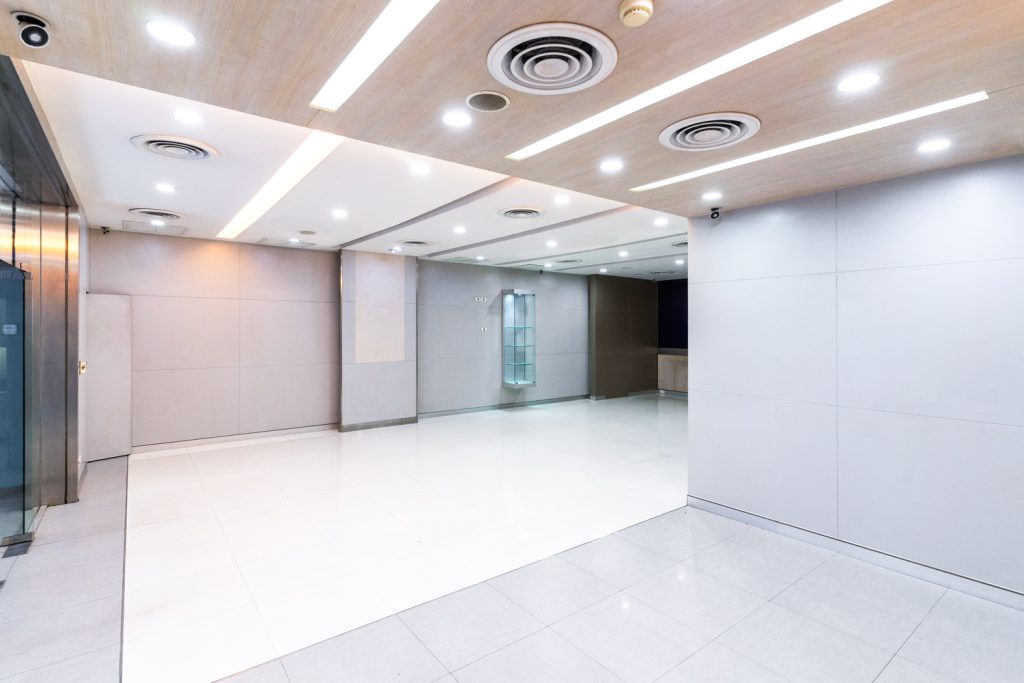
Are you thinking about capitalising on Thailand’s thriving real estate market in 2025? The sheer number of rental properties in Bangkok presents a strategic and smart opportunity for foreign investors.
In this blog, we’ll explore the difference between leasehold and freehold agreements to help you make the best decision possible.
Can Foreigners Own Property in Thailand?
Thailand has enticed many visitors from all around the world. Often, they fall completely in love with the beautiful city of Bangkok and want to establish a long-term home for themselves.
However, establishing a more permanent home base in Bangkok involves navigating a key challenge, as the question of property ownership for foreigners is not a straightforward one.
In short, there are strict laws that prevent foreigners from directly owning land in Thailand.
Fortunately, if you’re longing to build your dream life in Thailand, there are well-established legal structures, such as leasehold agreements, that allow you to secure long-term rental property in Bangkok.
What Is Leasehold Property in Thailand?
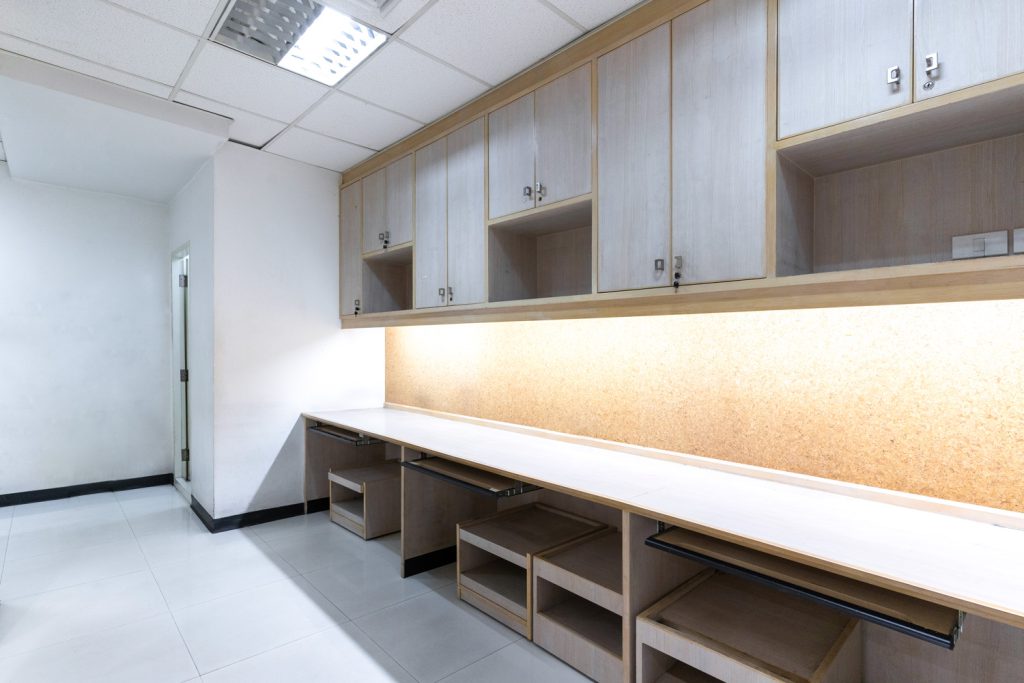
There are plenty of high-quality and beautifully designed commercial properties for rent in Bangkok. For those looking to invest, securing a lease agreement is an excellent and stable choice.
The good news is that a leasehold property in Thailand allows foreigners and local businesses to obtain long-term, 30-year leases that can be legally renewed.
These agreements often include favourable terms such as subletting rights, which can provide a valuable new revenue stream.
If you’re an expat living in Bangkok or you’re looking for a base for your small to medium-sized enterprises, leasing may be the ideal solution for you.
What Is Freehold Property in Thailand?
Understandably, sometimes a long-term lease is not enough to provide the safety and security you need.
If you’re seeking the highest level of control, achieving freehold ownership is the ultimate goal.
Here are two ways you can explore this avenue:
Condominium
It’s absolutely feasible for foreigners to own a condominium unit directly in their own name, granting them full rights, provided the building’s foreign ownership quota doesn’t exceed 49%.
Land and Houses
Another attainable option is to establish a Thai Limited Company, which then owns the land and house freehold. By controlling the company, you maintain ultimate control over the property and its assets.
Leasehold vs. Freehold: Key Differences Explained
To simplify things, here are the key differences to help you gain a better understanding between the two:
Property ownership
A leasehold involves buying the property but not the land it sits on, whereas a freehold allows you to own both the property and the land.
Cost
Typically, freehold properties in Thailand are inevitably more expensive than leasehold properties.
Property type
Leasehold is highly versatile and applies to all property types, including commercial spaces and serviced apartments. On the other hand, freehold is specifically available for units within a licensed condominium, which can be residential, commercial, or part of a serviced apartment complex.
Flexibility
Lastly, leasehold provides a greater degree of flexibility as it doesn’t grant full ownership rights.
Conclusion: Enquire About Office Space at Kasemkij Building
Are you looking for a productive office space or commercial property for rent in Bangkok?
At Kasemkjj, we’re dedicated to finding a property that supports your goals and lifestyle in the bustling city of Bangkok.
From commercial property and serviced apartments for rent to spacious office spaces in the Kasemkjj building, we have the expertise to connect you with some of the most attractive properties in Bangkok.